
LLM & RAG Crypto Intelligence Prototype
An experimental LLM and retrieval-augmented generation system combining cryptocurrency information, AI interaction, external data, and automated trading components.
This prototype explored how large language models and retrieval-augmented generation could be combined with cryptocurrency information and an automated trading component. The concept was intended to make market information easier to query through an AI-driven interface while also exploring how LLM-based systems could interact with external data and application logic.
The project incorporated LLM and retrieval concepts so the system could work with external information instead of relying only on a model’s built-in knowledge. This provided hands-on exposure to retrieval pipelines, context handling, model integration, and the surrounding application architecture.
My work focused primarily on portions of the application shell, configuration, integration, and understanding how the system components fit together. I was not the primary developer of the core trading logic or the underlying model technology.
I also configured and tested smaller language models, gaining practical experience with deployment considerations, resource requirements, model behavior, and the tradeoffs involved in running AI systems outside of a fully managed platform.
The project was ultimately discontinued after evaluating the development effort, operating cost, maintenance requirements, and whether continued investment made sense relative to rapidly advancing commercial AI platforms. The experience was still valuable as a technical prototype and provided direct exposure to the practical complexity behind maintaining an AI-enabled application.
The project represents hands-on learning across LLM integration, RAG concepts, smaller model deployment, application architecture, AI-enabled interfaces, and the practical decision-making involved in determining whether a prototype is worth continuing into production.
Practical AI-assisted administration combining structured knowledge, documents, spreadsheets, recurring workflows, research, reminders, and automation.
This project demonstrates a practical AI-assisted administration and knowledge system built around real files, documents, trackers, recurring responsibilities, research, and day-to-day workflows. The goal is to move beyond using AI only as a chat interface and instead organize information so an assistant can work with useful context, repeatable processes, and structured systems.
AI-assisted workflows support research, planning, document creation, reminders, recurring tasks, project follow-up, and administrative work while keeping the user in control of the underlying information and decisions.
Google Drive, documents, spreadsheets, trackers, and reference material are organized into a clearer knowledge structure so relevant information can be located, interpreted, updated, and reused more efficiently.
Repeatable workflows can include scheduled tasks, reminders, monitoring, status checks, reports, and multi-step research or document processes designed to reduce repetitive manual work.
The system is designed around how the person actually works: what information they maintain, what tasks repeat, what needs review, and where time is being lost. AI becomes one component in a larger operating structure rather than a separate tool that has to be prompted from scratch every time.
Portfolio visuals use sanitized, illustrative structures rather than exposing private documents, account information, or personal records. The emphasis is on system design, workflow architecture, and practical implementation.
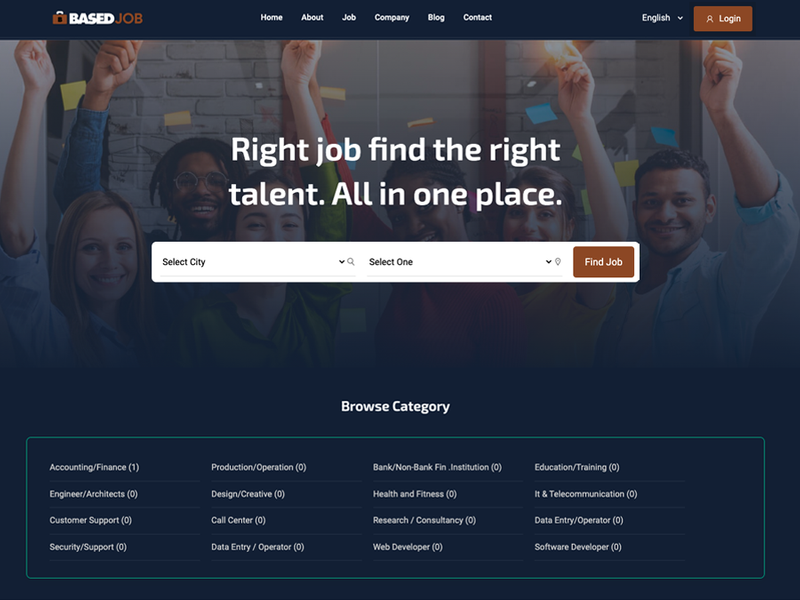
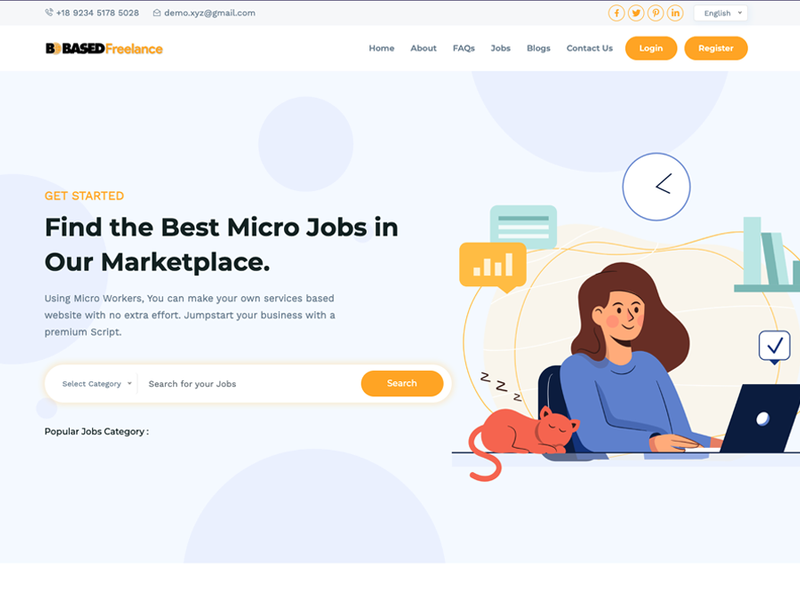
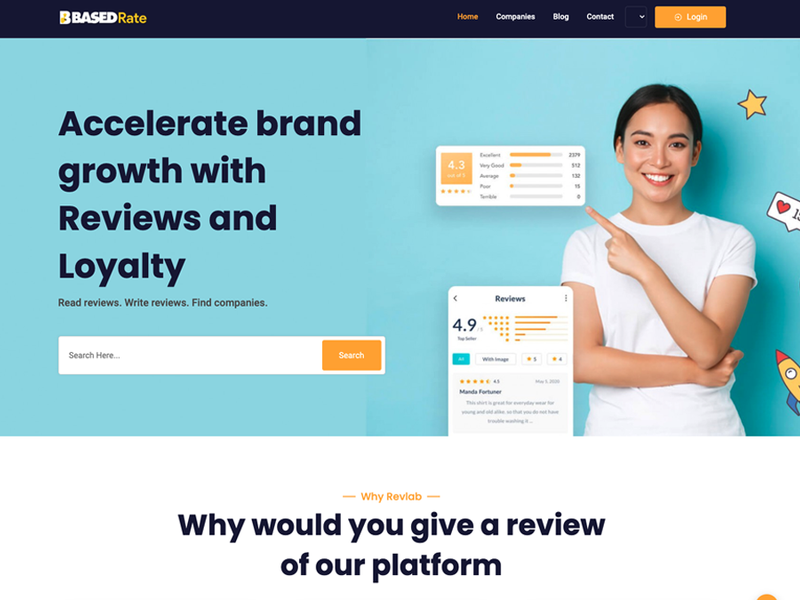
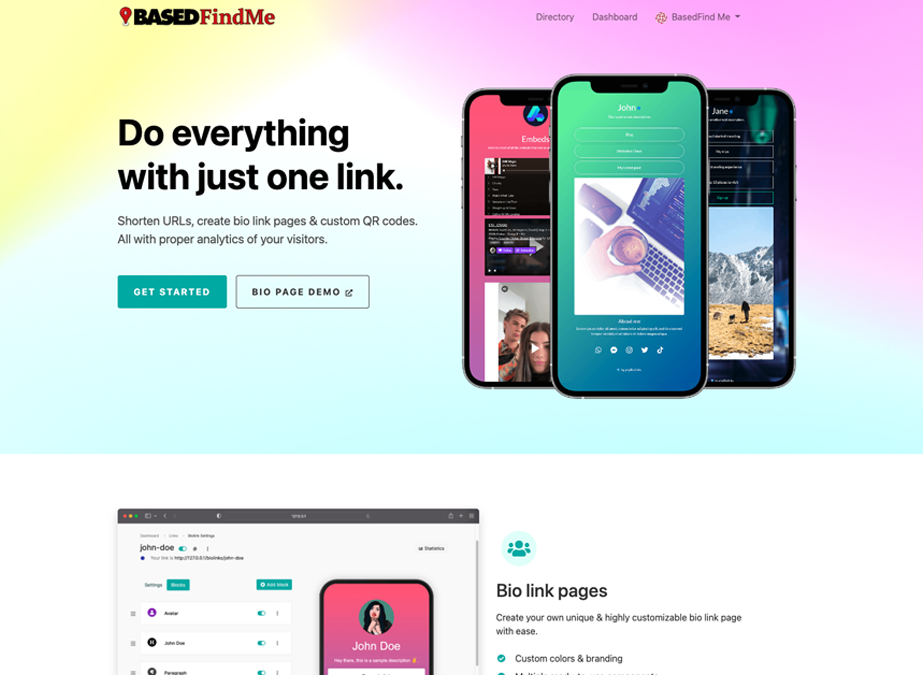
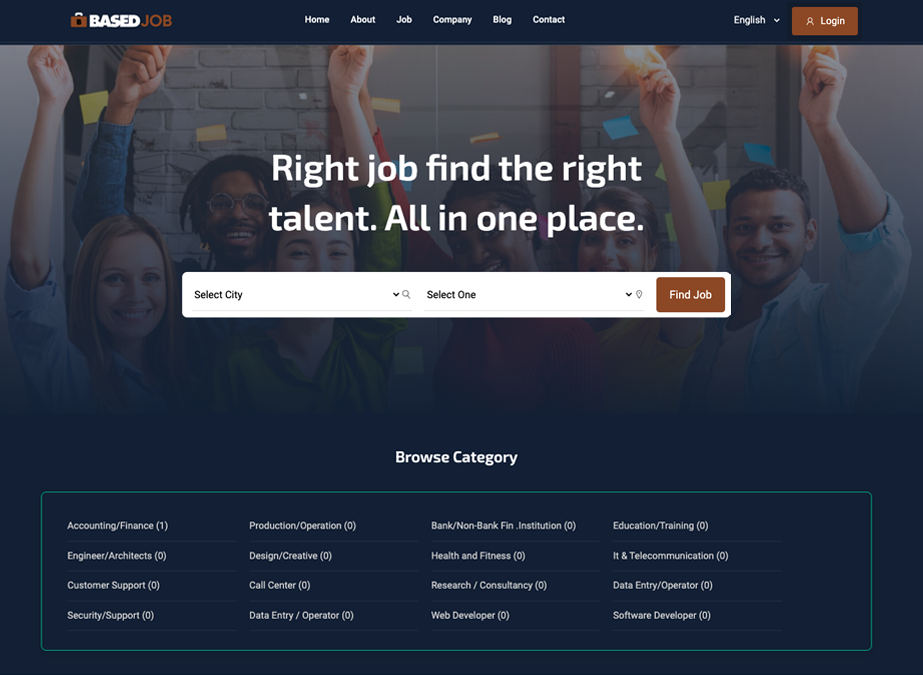
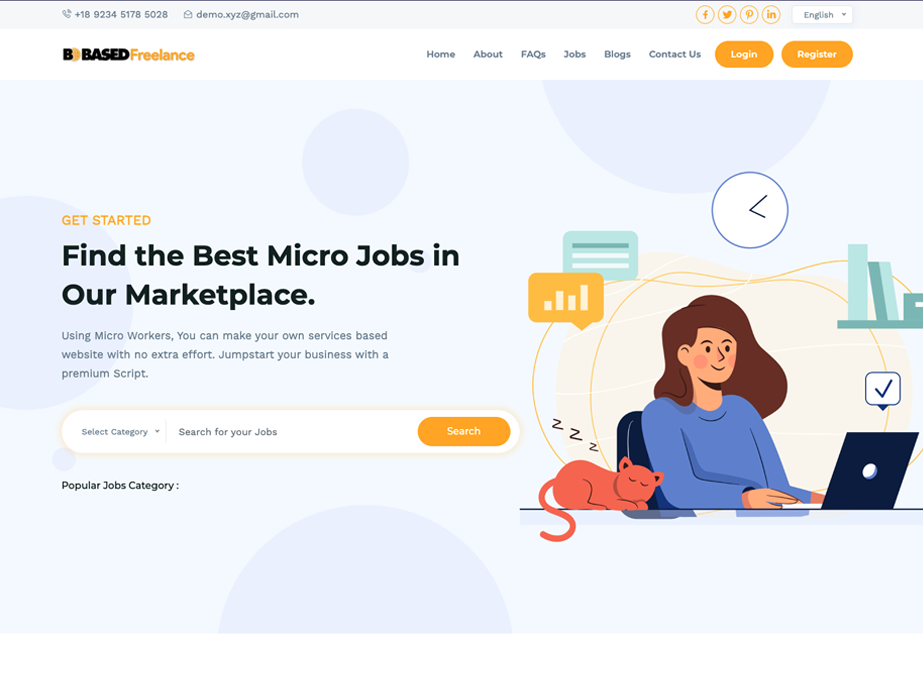
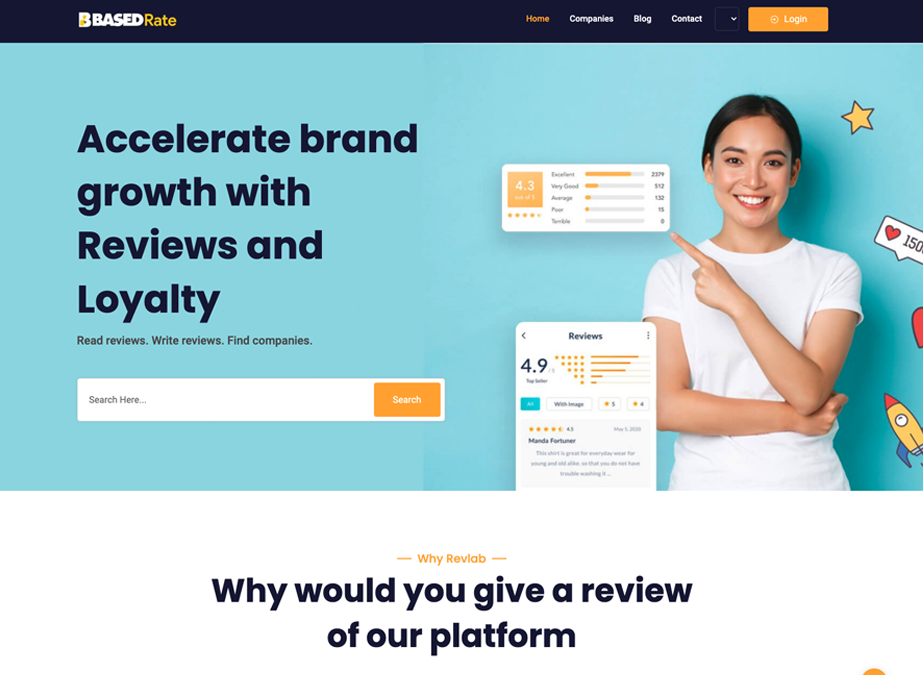
A selection of web application concepts demonstrating search, listings, user-facing dashboards, profile experiences, marketplaces, and content-driven platforms.
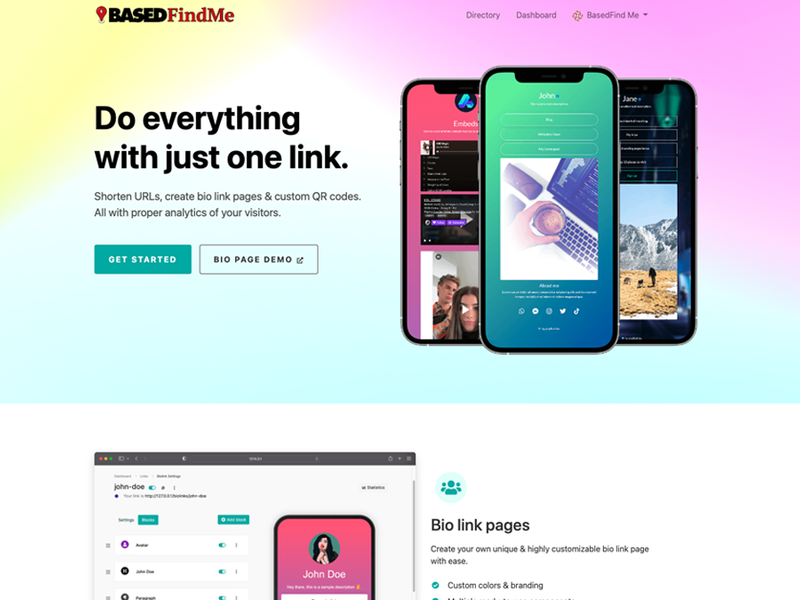
This collection brings together several web application projects built around different user needs and interaction models. The examples demonstrate experience organizing content, presenting searchable information, structuring listings and profiles, and creating application-style interfaces that extend beyond traditional informational websites.
Each platform is organized around a specific type of user activity, from profile and link management to employment listings, service marketplaces, and review discovery. Navigation and content hierarchy are structured around the primary task users are expected to complete.
Search tools, categories, listings, and structured content help users move through larger amounts of information efficiently. These patterns are especially important for marketplace, directory, employment, and review-oriented applications.
Dashboards, profiles, calls to action, account access, and responsive page layouts create a more interactive experience than a standard brochure website. Consistent interface patterns help users understand where to go and what actions are available.


Developing different types of web applications requires adapting the interface and content structure to the task users are trying to accomplish. These projects demonstrate experience working across profile platforms, marketplaces, directories, search-driven applications, and other interactive web environments while maintaining clear navigation and consistent user experiences.
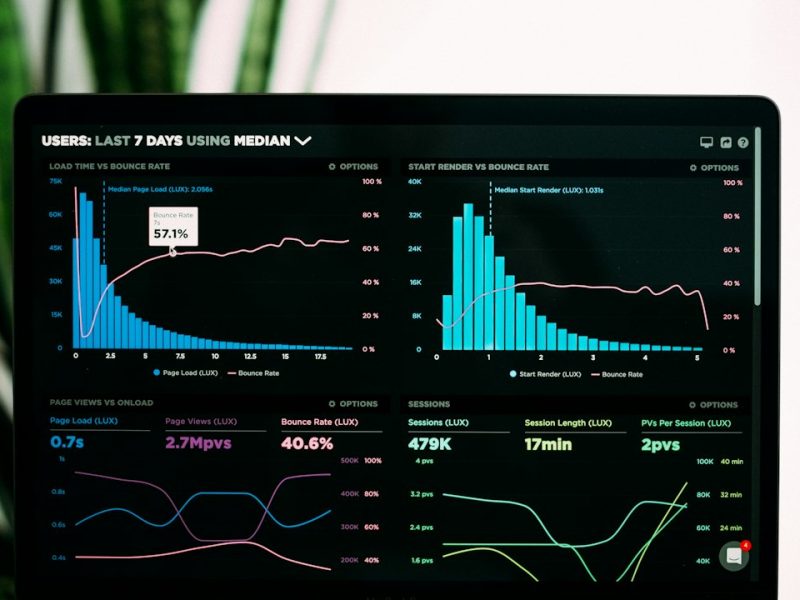
Centralized monitoring of server health, network traffic, system resources, uptime, and performance trends through dashboard-based infrastructure visibility.
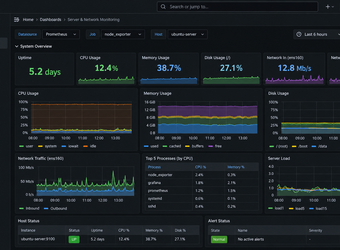
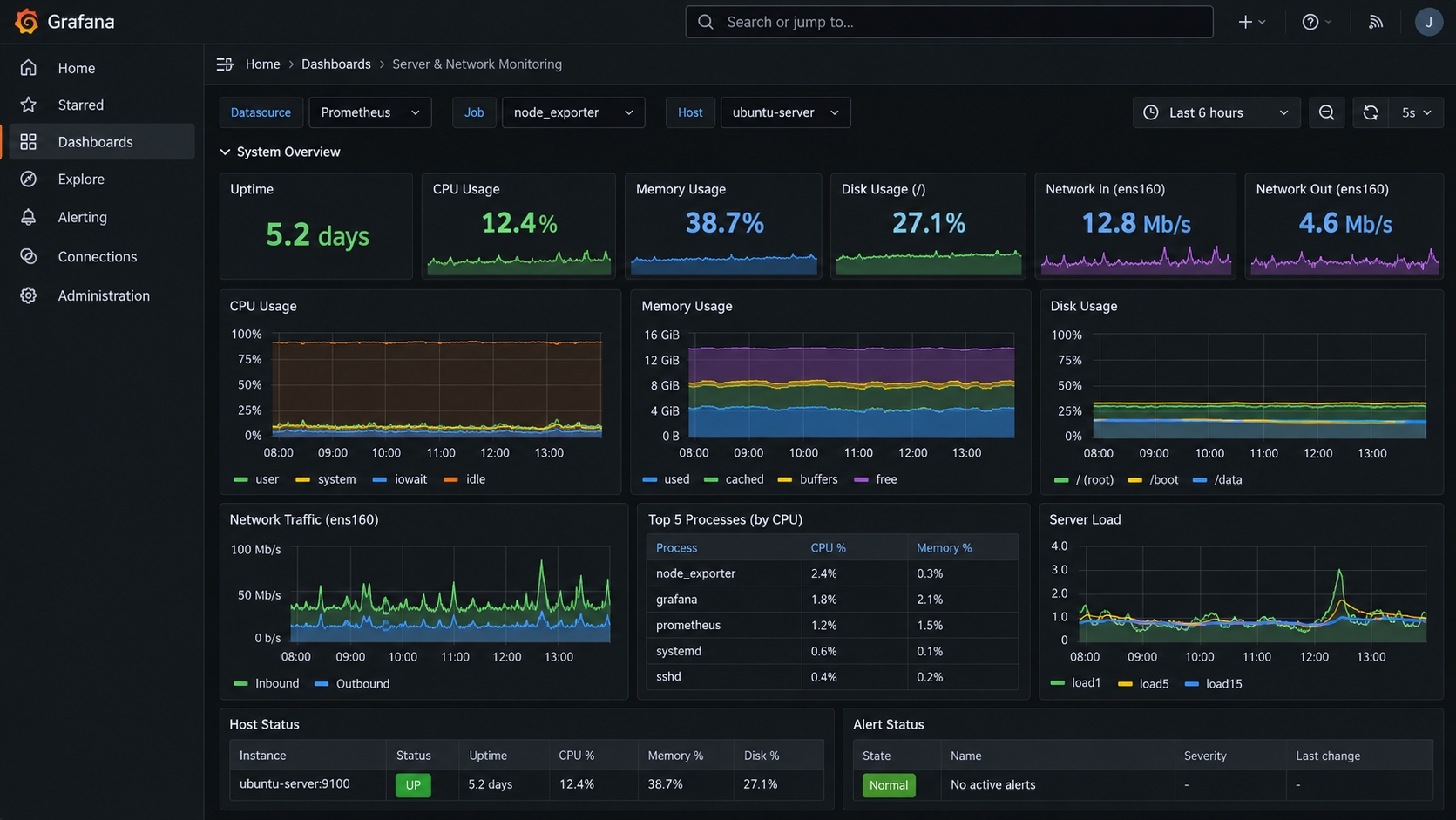
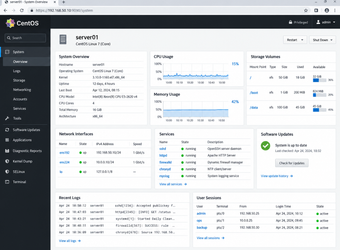
Monitoring provides visibility into the health and performance of systems before issues become service interruptions. This project demonstrates centralized tracking of server resources, network traffic, system load, disk utilization, uptime, and service status through a dashboard designed for quick operational awareness.
CPU, memory, disk utilization, system load, uptime, and active services can be monitored from a centralized dashboard to help identify resource pressure, abnormal activity, or degraded system performance.
Network traffic metrics provide insight into inbound and outbound utilization, interface activity, throughput, and usage trends over time. This visibility helps support troubleshooting and capacity planning.
Dashboard status indicators and alerting provide a fast way to identify systems or services requiring attention. Centralized monitoring reduces the need to check individual hosts and creates a clearer view of overall infrastructure health.

Effective monitoring connects server and network metrics into a single operational view, making it easier to identify trends, investigate performance issues, and respond to system conditions before they affect users. Centralized dashboards also provide a more consistent way to track the health of multiple systems over time.
Development and customization of a booking-focused web application supporting property discovery, listing details, availability inputs, and reservation-oriented user flows.
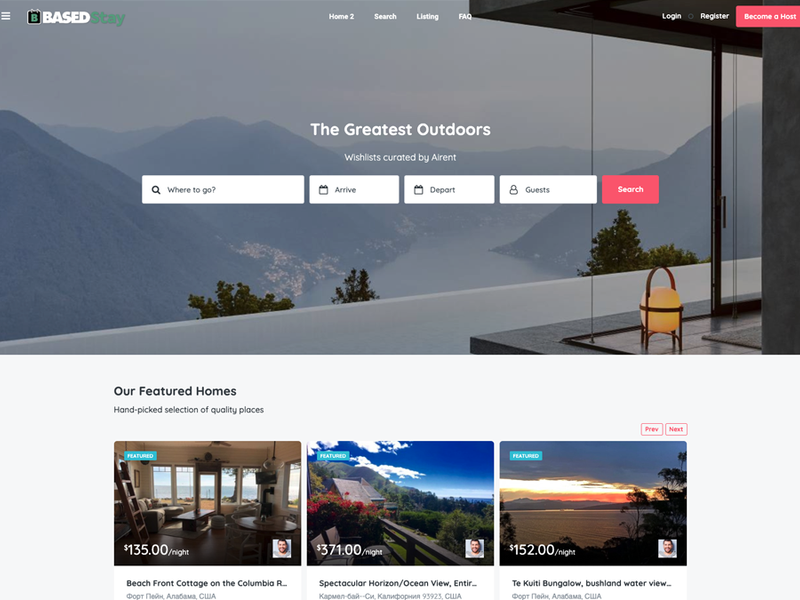
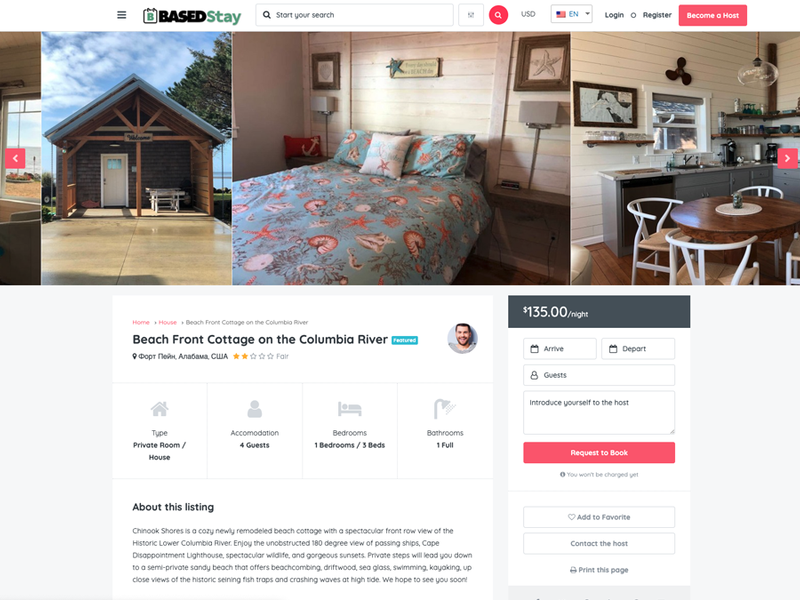
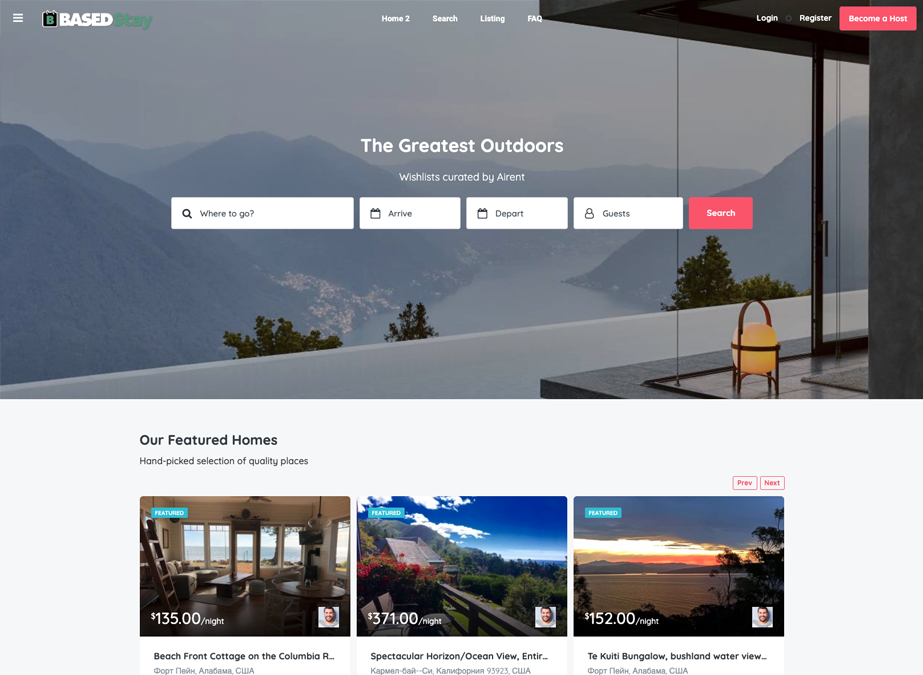
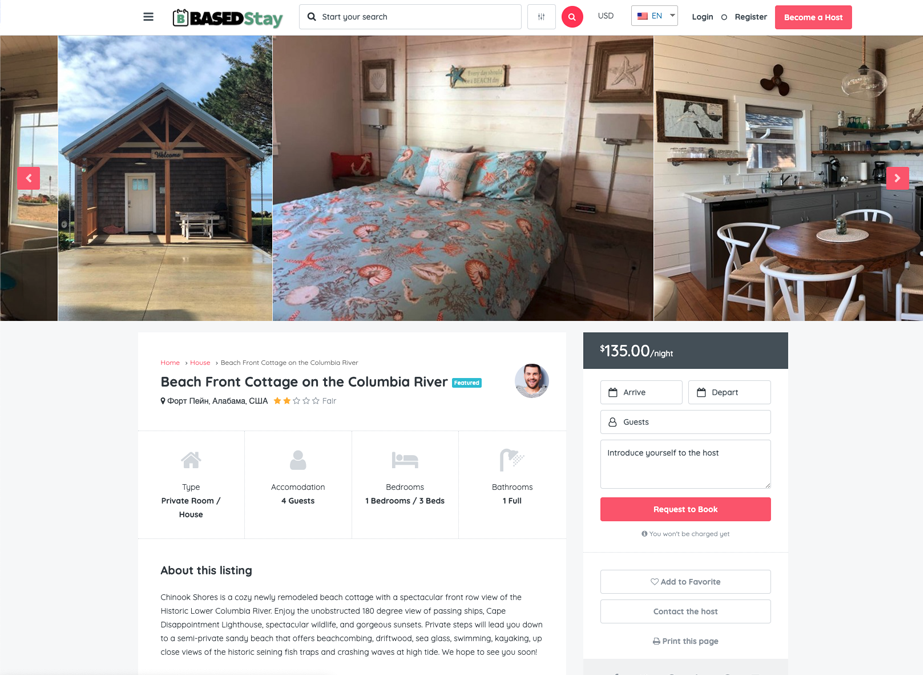
Booking platforms need to bring search, listings, availability information, property details, and user actions together in a clear and consistent experience. This project demonstrates the development of a web application that guides users from property discovery through detailed listing information and reservation-oriented interactions.
The platform provides a structured starting point for users to search destinations, enter arrival and departure information, select guests, and browse available properties through a centralized interface.
Individual listings combine property imagery, descriptions, pricing, accommodation details, amenities, and related information into a consistent presentation that helps users evaluate available options.
The application connects property discovery with detailed listing pages and reservation-oriented controls, creating a clear path from browsing to selecting dates, entering guest information, and initiating a booking request.


A booking application depends on the relationship between search, content organization, listing detail, and user actions. Bringing these elements together creates a more complete web experience than a standard informational website and demonstrates experience working with application-style layouts and multi-step user flows.
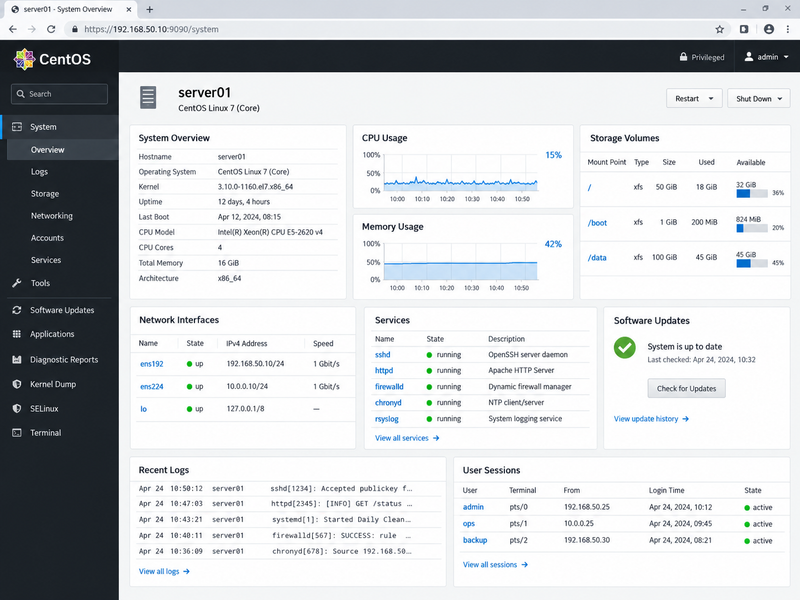
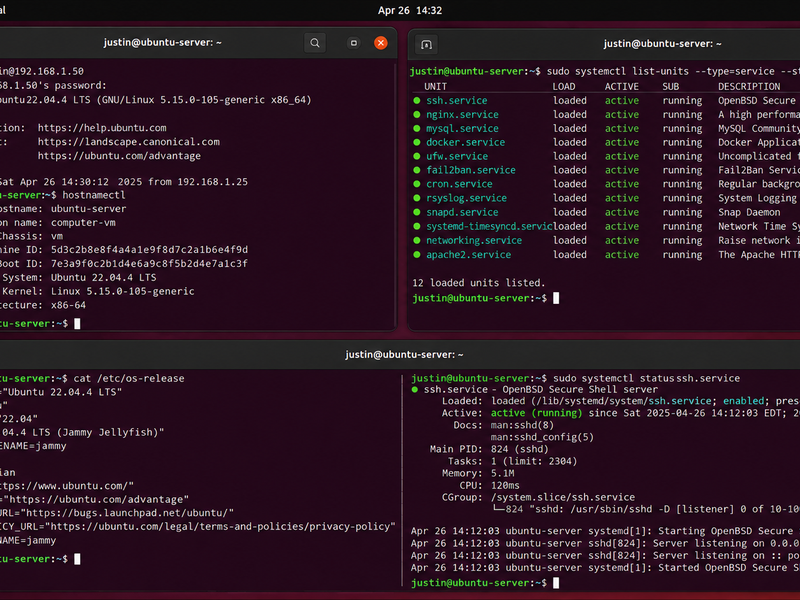
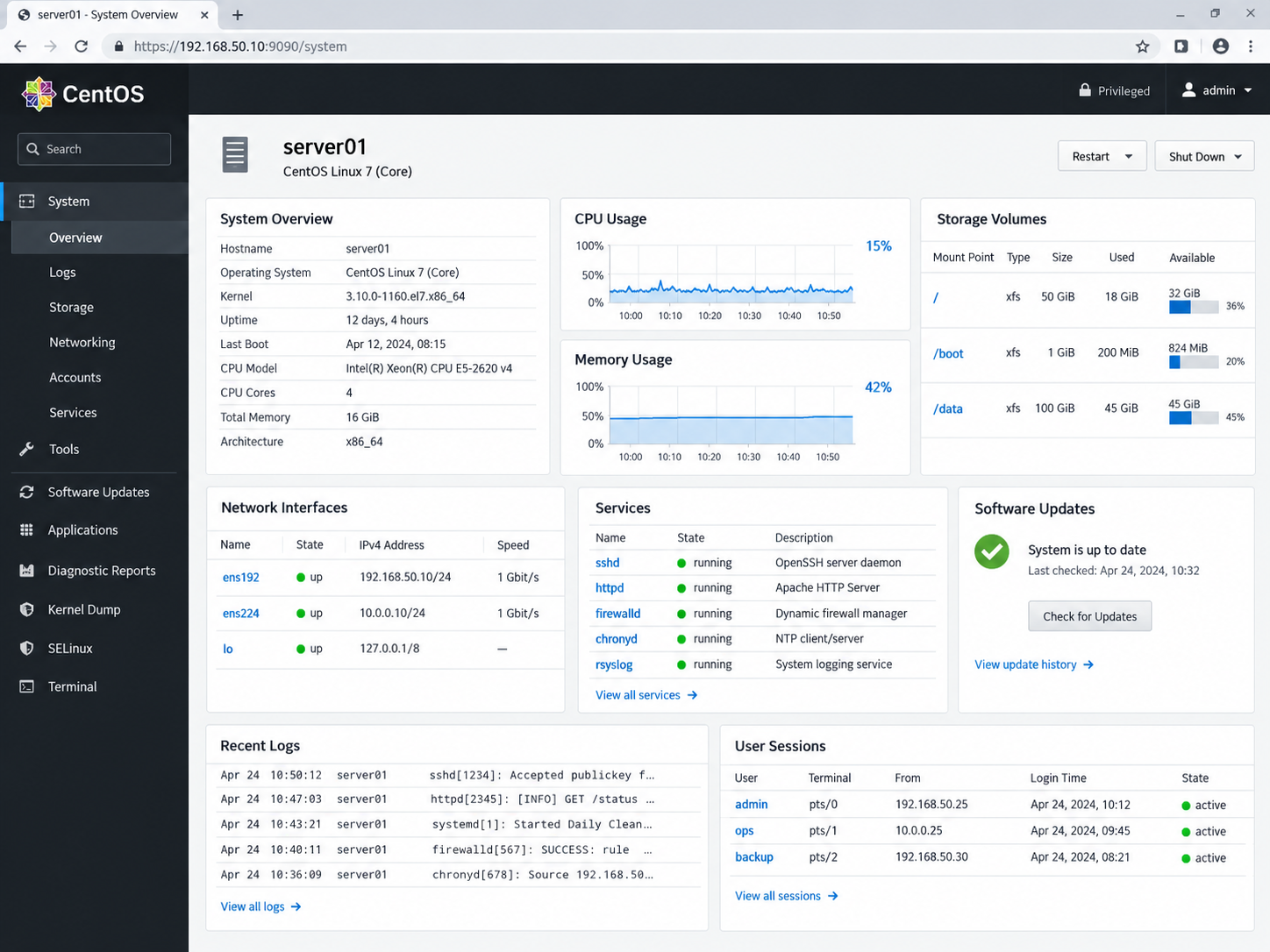
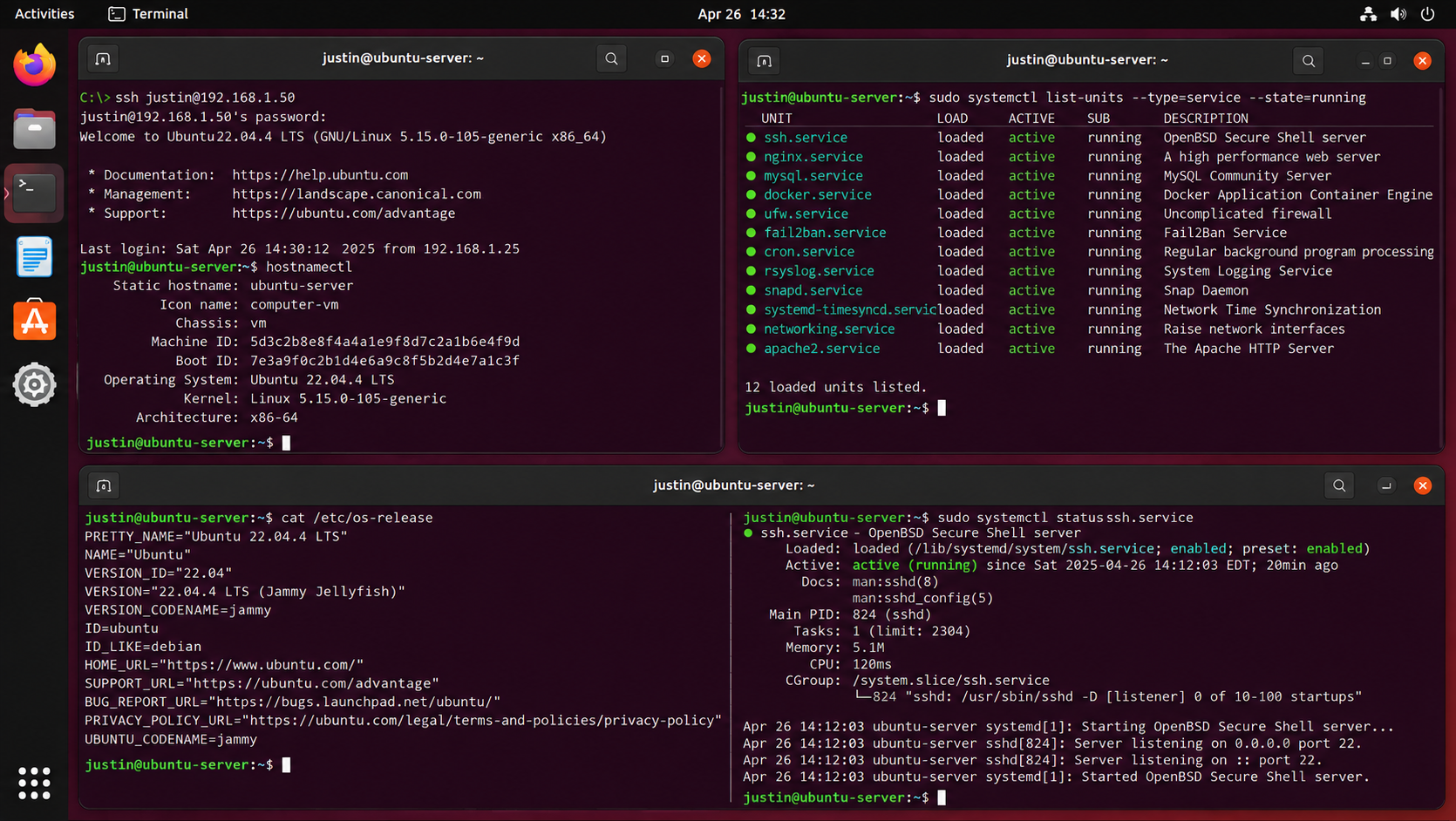
Linux server administration across CentOS and Ubuntu environments, including remote access, service management, networking, system monitoring, and core server operations.
Linux servers provide the foundation for many web, database, infrastructure, and application services. This project highlights administration across CentOS and Ubuntu systems, including remote SSH access, service management, network configuration, resource monitoring, logging, security services, and general operating-system maintenance.
Linux services are managed through tools such as systemd to start, stop, enable, inspect, and troubleshoot background processes. Monitoring service state and system resources helps maintain reliable operation of web, database, networking, and infrastructure workloads.
SSH provides secure remote administration of Linux servers for configuration, maintenance, troubleshooting, and monitoring. Command-line tools provide direct visibility into operating-system information, interfaces, processes, logs, services, and resource utilization.
Linux administration includes reviewing CPU, memory, disk, network activity, system logs, firewall status, and service health. Tools such as UFW and Fail2Ban can complement system monitoring by helping control network access and reduce repeated unauthorized login attempts.


Working across multiple Linux distributions reinforces the core administration skills that remain consistent between environments: remote access, service management, networking, resource monitoring, security, logging, and troubleshooting. Familiarity with both graphical and command-line administration provides flexibility when supporting Linux-based infrastructure and applications.
Welcome